Common Mistakes to Avoid During Gerard Roofing Installation
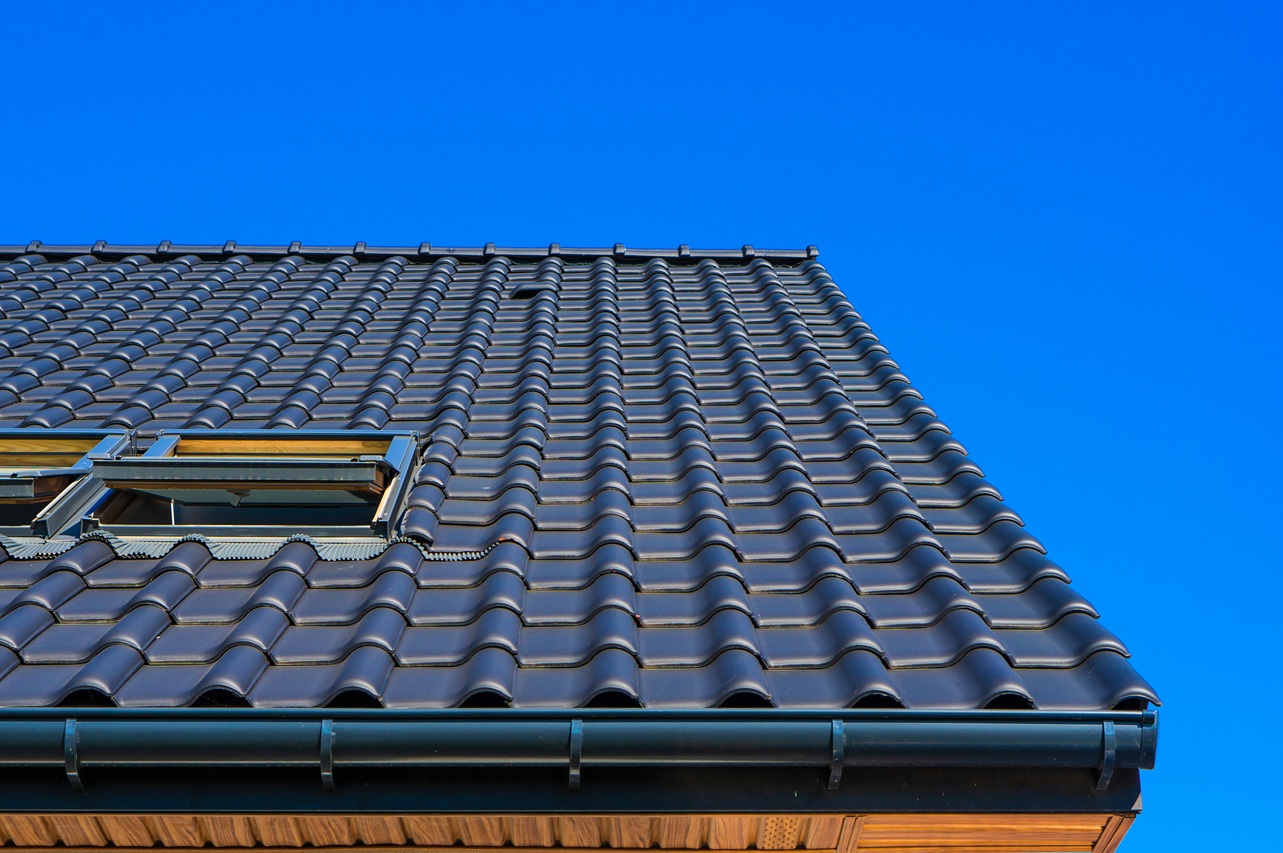
Gerard roofing brings together the look of classic slate or tile with the resilience of modern, zinc-aluminum–coated steel. The system traces its roots to New Zealand in the 1950s, where manufacturers refined lightweight metal shingles to withstand demanding coastal and temperate climates. That history shaped today’s profiles, which offer a strong combination of corrosion resistance, weather performance, and structural efficiency. Many homeowners choose Gerard systems because they want a roof that lasts for decades without the weight or fragility associated with traditional materials.
What sets these shingles apart is the way each component works together. The tiles interlock, the underlay protects the deck below, and the battens determine how accurately everything aligns. When those pieces are prepared and installed correctly, the system can deliver reliable performance for up to 50 years. Even the specific coatings on the steel depend on precise handling, which reinforces why the installation method is just as important as the product itself.
Understanding how a Gerard roof is engineered helps clarify why the upcoming sections focus so heavily on avoiding avoidable mistakes. A roof designed to be durable only reaches its full potential when the installer respects the details—b atten spacing, underlay placement, fastening rules, and proper cutting practices. When each palrt is handled with care, the finished roof delivers the longevity, efficiency, and aesthetics that make Gerard profiles a trusted choice for many homes.
Cutting and Tool Errors That Damage the Roof
Gerard shingles may be tough, but their protective coating is sensitive to the way each piece is cut and shaped during installation. One of the most common—and most costly—mistakes involves using angle grinders or similar tools that generate metal swarf. These tiny, heated filings land on the tile surface, embed themselves into the coating, and gradually introduce rust stains that spread over time. The damage often isn’t visible right away, which makes the issue harder to detect until the roof has already begun to deteriorate.
Manufacturers are clear about the tools that should never be used, and for good reason. Approved cutting options—such as guillotines, hand shears, or metal-cutting saws—create clean edges without producing harmful filings. These tools preserve the integrity of the zinc-aluminum layer, helping the shingles maintain their corrosion resistance throughout their lifespan. They also reduce the risk of misaligned cuts, which can affect how the tiles interlock or sit against flashing.
Clean, precise cutting sets the tone for the entire installation. When every edge is handled properly, the tiles fit more securely, the roof sheds water more effectively, and long-term performance remains intact. Installers who understand the material and respect the manufacturer’s guidelines help ensure the roof not only looks sharp on day one but stays structurally sound for decades.
Underlay and Preparation Issues That Lead to Leaks
Gerard roofing systems rely heavily on what happens before the first tile is even fixed in place. The underlay acts as a secondary barrier against moisture, guiding water away from the roof deck and protecting vulnerable areas like valleys, gables, and pipe penetrations. When the underlay is skipped, misaligned, or poorly sealed, water finds its way into the structure long before any visible signs appear. Problems often start at the details—underlay that isn’t turned up at the gable, tape that isn’t properly adhered around pipes, or loose sections that allow wind-driven rain to lift and push moisture underneath.
Another source of trouble lies in uneven or incorrectly sized battens. Gerard manuals specify particular dimensions—commonly 40×50 mm tile battens over 50×80 mm counter battens—to ensure the shingles sit at the correct height and interlock as designed. When battens are irregular or improperly spaced, tiles drift out of alignment. That small shift can ripple across the roof, creating gaps, uneven courses, and points where water can infiltrate. Even a minor deviation in batten setup can compromise the clean flow of water down the valleys, which are among the most sensitive areas in any roof installation.
Companies familiar with Gerard profiles, such as HMD Int’l Limited, tend to emphasize these early stages because they shape the reliability of everything that follows. Thorough preparation creates a stable, predictable foundation, reducing the risk of errors that might not be obvious until heavy rain exposes them. When the underlay is secure and the battens are perfectly set, the tiles lock into place the way the manufacturer intended, giving the roof the best chance at long-term performance.
Fastening and Batten Mistakes That Compromise Wind Resistance
A Gerard roof depends on precise fastening to maintain its strength against wind uplift and everyday movement. When nails miss their intended target—whether by landing too close to plastic components or failing to anchor into solid timber—the stability of the tile is reduced. Errors like these create subtle weaknesses that may not show on a calm day but become obvious during strong winds, where poorly secured tiles can shift, rattle, or even lift entirely.
Batten alignment plays a similar role in overall durability. The ridge, in particular, requires careful coordination between the battens and the brackets that hold ridge barrels in place. Because the spacing varies with the roof pitch, installers must measure meticulously to avoid misalignment. If the ridge battens sit too high or too low, the ridge components never lock together as intended, leaving small openings where wind and water can intrude.
Misjudging clip orientation and fastening angles—issues often borrowed from mistakes seen in other metal roofing systems—creates additional pathways for leaks. These oversights might appear minor, but they disrupt the way tiles shed water and interlock. When each fastener is driven with the correct pressure, at the right angle, and into the proper substrate, the entire system gains the structural integrity it was engineered to deliver. It’s the kind of meticulous work that transforms a collection of steel shingles into a cohesive, storm-ready roof.
Flashing Missteps and Detail Oversights Around Edges and Valleys
Flashing is one of the most detail-sensitive parts of a Gerard installation, and even small errors can undermine an otherwise well-executed roof. Valleys, for instance, demand careful shaping and placement of the tiles. Each piece typically requires a 50 mm cut and bend to ensure proper overlap, along with the correct clips and ventilation battens. When installers skip these adjustments or misjudge the overlap, water begins to pool or slip beneath the tiles. Over time, this leads to stains, damp patches, or leaks that often trace back to an overlooked valley detail rather than the tiles themselves.
Gable edges introduce another layer of complexity. The tiles need to be bent upward beneath the barge covers and fixed to appropriately sized battens—often 40×50 mm—to create a clean, watertight finish. If those edges aren’t sealed correctly, wind can drive rain sideways under the barge, weakening the structure and compromising the roof’s ability to withstand storms. Metal roofing in general also carries broader challenges, such as accounting for thermal expansion or installing proper edge trims, both of which help the roof cope with seasonal movement.
Installers who pay close attention to these junctions help protect the roof’s most vulnerable points. Companies experienced with Gerard profiles, tend to treat flashing work as a discipline of its own because precision here determines how well the roof performs in challenging weather. When the flashings align, the overlaps sit tight, and the edges are sealed with intention, the entire roofing system gains a level of resilience that extends far beyond its first few seasons.
Unsafe or Poor-Weather Installation Practices
Roof installations demand stable footing and reliable adhesion, neither of which is possible when surfaces are wet, icy, or slick. Walking on damp Gerard tiles increases the risk of slips, but it also affects how components bond and settle. Underlay adhesives may not grip as intended, and tiles can shift before they are fully secured. Cold conditions introduce another challenge: certain materials stiffen, making bends less precise and increasing the likelihood of cracks or misalignment unless handled with extra care.
Safety protocols play an equally important role. Installers are expected to use proper PPE, maintain clear access routes, and avoid stepping on unsecured tiles. Neglecting these precautions can lead not only to injuries but also to damage that isn’t immediately obvious—small dents, lifted edges, or dislodged clips that later become entry points for water. Electrical hazards around the work area add another layer of risk if the site isn’t organized and inspected ahead of time.
Professional crews, typically avoid working on unstable surfaces because they understand how weather and site conditions influence the outcome. A well-planned schedule that prioritizes safe, dry working conditions ensures the tiles seat correctly, the underlay holds, and the final installation performs the way Gerard systems are designed to. When the environment is right and the work is carried out with care, the roof gains both structural integrity and long-term reliability.
Last Thoughts
A well-installed Gerard roof is the result of precision, planning, and respect for the system’s engineering. Each stage—from cutting the shingles to setting battens, sealing valleys, and choosing the right weather conditions—affects how the roof performs over the long term. Most failures trace back to preventable issues: tools that damage protective coatings, underlay that isn’t secured properly, fasteners driven into the wrong substrate, or flashing details that don’t follow the manufacturer’s sequence. These oversights can lead to leaks, corrosion, wind uplift, and unnecessary repairs far earlier than expected.
Homeowners who choose Gerard profiles often do so for their durability, and that durability becomes fully realized only when the installation aligns with the official manuals. While many aspects of the system are straightforward, the details make the difference. Installers with hands-on experience—including companies like HMD Int’l Limited—tend to deliver more dependable results because they understand how each component interacts with the next and how small adjustments influence the overall build.
Following the manufacturer’s guidance, choosing installers who know the product, and ensuring the work is carried out under safe, dry conditions adds years of life to the roof. When all these elements come together, a Gerard system offers the blend of longevity, performance, and aesthetic appeal that has defined the brand for decades.