Duplex Interior Makeovers: Luxery on a Nigerian Budget
Transforming a duplex into a luxurious haven doesn’t have to drain your wallet. In Nigeria, homeowners are increasingly discovering ways to achieve high-end interiors while keeping budgets manageable, with full redesigns typically ranging from ₦15,000,000 to ₦50,000,000 depending on the scope and finishes.
The secret lies in smart planning, prioritizing multifunctional spaces, and leveraging local materials and markets. From open-concept layouts that make spaces feel expansive to culturally inspired accents that add personality, it’s possible to create interiors that feel both sophisticated and authentically Nigerian.
This guide will walk you through practical design ideas, budget-friendly strategies, and emerging trends, helping you achieve a luxurious duplex interior without overspending. Whether you’re starting a full makeover or focusing on high-impact areas, the tips here are grounded in real costs, local sourcing options, and current interior design trends in Nigeria.
Planning a Luxury Interior Makeover on a Budget
Before diving into décor choices, it’s crucial to map out a clear plan for your duplex makeover. Luxury isn’t only about expensive finishes—it’s about creating spaces that feel cohesive, functional, and inviting. In Nigeria, this often means prioritizing areas that deliver the most visual and practical impact, such as living rooms, kitchens, and bathrooms.
Open-concept layouts are particularly effective, merging living, dining, and kitchen spaces to make homes feel larger and more connected. Strategic use of rugs, lighting, and furniture arrangements can define each area without costly partitions.
Multifunctional spaces are another key element. A home office can double as a guest room, or storage solutions can be integrated into staircases and seating. Smart planning ensures every naira spent contributes to both aesthetics and utility.
Local sourcing is a budget-friendly advantage. Markets like Alaba, online platforms such as Jumia, and regional suppliers offer a wide range of materials—from fabrics to fixtures—at a fraction of imported costs. Combining careful planning with these local options allows you to achieve high-end results while keeping your spending under control.
Key Design Ideas for Nigerian Duplexes
Creating a luxurious feel in a Nigerian duplex is about thoughtful design choices rather than extravagant spending. Here are some high-impact ideas that blend elegance, practicality, and cultural touches:
Open-Concept Living Areas
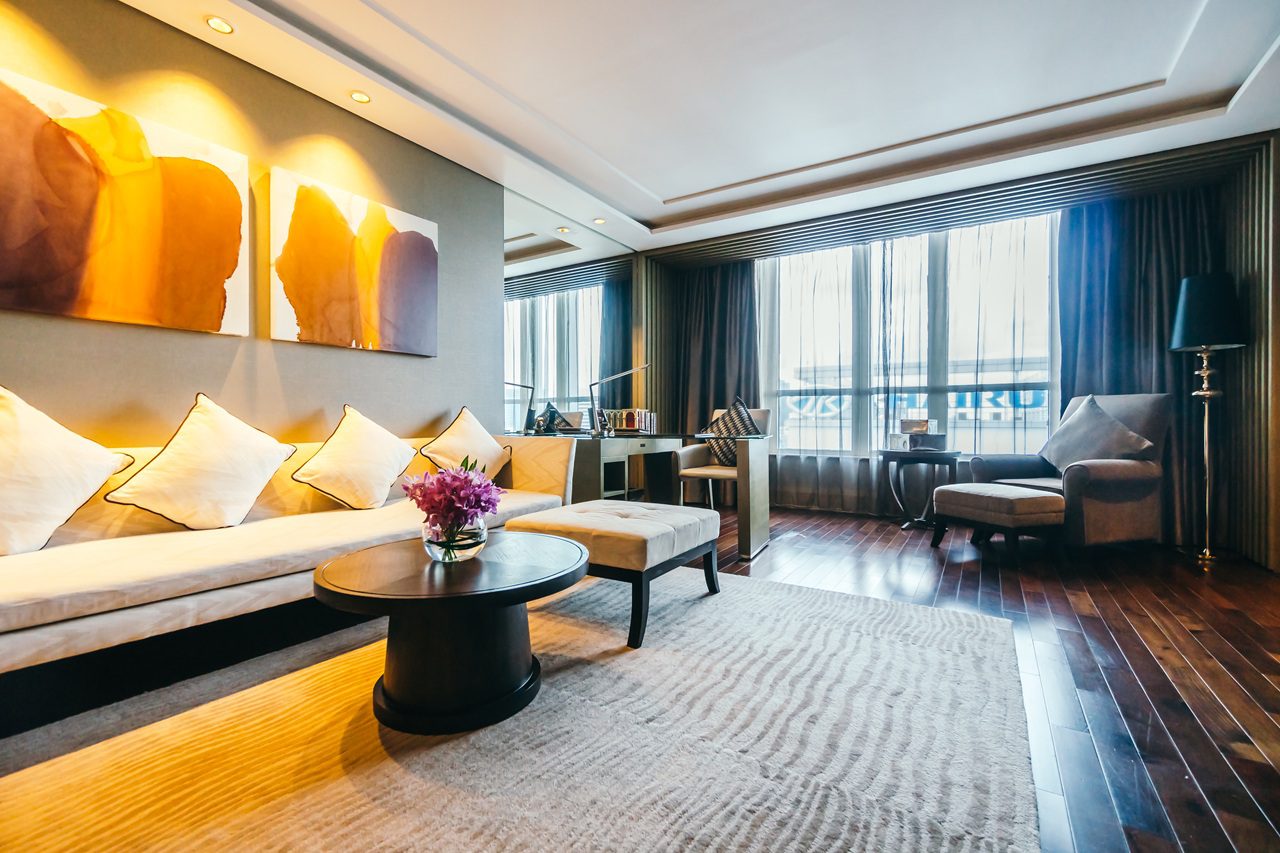
Merging the living, dining, and kitchen spaces creates an airy, cohesive atmosphere. Rugs, lighting, and furniture placement define zones without heavy walls, with costs typically ranging from ₦3,000,000 to ₦6,000,000, including flooring.
Grand Staircases
A staircase can be a striking focal point. Options like glass railings or wooden accents enhance visual appeal and cost between ₦2,500,000 and ₦7,000,000.
Minimalist Kitchens
Built-in cabinets, neutral tones, and clean lines offer a timeless, elegant kitchen for ₦3,500,000 to ₦8,000,000. Local cabinet makers often provide quality options at reduced costs.
Luxurious Bathrooms
Incorporate spa-inspired elements such as rainfall showers, freestanding tubs, and elegant fixtures. Budgeted between ₦2,000,000 and ₦6,000,000, bathrooms can feel indulgent without excessive spending.
Cultural Accents
Nigerian fabrics like Adire, carved wood elements, or locally sourced stones add authenticity and luxury at minimal cost (₦500,000–₦3,000,000). These touches give spaces personality and reflect cultural heritage.
Smart Home Integrations
Modern living benefits from tech-savvy upgrades. Lighting systems, security solutions, and indoor-outdoor connections using glass doors range from ₦1,500,000 to ₦6,000,000. Home offices with ergonomic setups cost ₦700,000–₦2,500,000, supporting functionality for remote work or study.
By combining these design elements, a duplex can achieve a luxurious, modern look while staying within a reasonable budget. Thoughtful use of materials and smart spatial planning ensures every area feels intentional and stylish.
Budget Strategies for Affordable Luxury
Achieving a luxurious duplex interior on a Nigerian budget is possible with smart material choices and strategic sourcing. Here are key strategies to maximize impact without overspending:
Affordable Materials with High-End Appeal
Materials like bamboo, reclaimed wood, and contact paper mimicking marble (₦3,000–₦7,000 per roll) can create an upscale look at a fraction of the cost of premium imports. These choices allow for stylish finishes without breaking the bank.
Local and Online Sourcing
Markets such as Alaba and online platforms like Jumia offer a variety of décor items, from rugs to throw pillows. For example, rugs cost ₦12,000–₦20,000, while Ankara throw pillows range from ₦8,000 for 4–6 pieces. Solar lights under ₦15,000 can enhance outdoor spaces affordably.
Room-by-Room Budgeting
Focusing on high-impact areas helps spread costs effectively. A living room can be transformed with rugs and local décor for ₦350,000–₦1,000,000, while a full duplex decoration typically aligns with ₦1,500,000–₦3,000,000 for a 3–5 bedroom home in Abuja or Lagos.
| Area | Low-End Cost (₦) | High-End Cost (₦) | Tips for Savings |
| Kitchen | 3,500,000 | 8,000,000 | Use local cabinets and neutral tones |
| Bathroom | 2,000,000 | 6,000,000 | Opt for granite instead of marble |
| Living Room | 350,000 | 1,000,000 | Layer rugs and add local décor |
| Full Redesign | 15,000,000 | 50,000,000 | Prioritize multifunctional items |
Phased Upgrades
Consider spreading investments over time. Start with visually transformative items like lighting, fabrics, or statement furniture. This approach reduces financial pressure while gradually elevating the home’s luxury feel.
By combining smart materials, local sourcing, and strategic planning, homeowners can create a duplex interior that feels high-end without overspending. These approaches ensure every naira contributes to both aesthetics and functionality.
Integrating Trends and Nigerian Culture
Creating a luxurious duplex in Nigeria is not only about expensive finishes—it’s also about blending modern trends with local culture to achieve a unique, stylish home.
Current Design Trends
2025 trends highlight biophilic design, incorporating plants and natural elements to bring life and calm to interiors. Earthy tones, textured walls, and Japandi-inspired minimalism—combining Japanese simplicity with Scandinavian warmth—create clean, serene spaces. Marble accents sourced locally add opulence without relying on costly imports.
Cultural Integration
Incorporating Nigerian elements, such as Adire fabrics, carved wood panels, and locally sourced stones, adds authenticity and personality. These accents elevate spaces, making them feel both luxurious and rooted in cultural heritage.
Modern Luxury Features
Smart home technology, including automated lighting, security systems, and entertainment zones like mini-bars, enhances functionality. These elements cater to the growing need for remote work setups and lifestyle convenience.
Blending Styles for Affordable Elegance
By combining opulent materials—marble, plush textiles, glass accents—with cultural décor, it’s possible to achieve a high-end aesthetic that feels uniquely Nigerian. The key is balance: highlight a few statement pieces while keeping overall designs minimal and cohesive to avoid clutter and unnecessary costs.
Integrating these trends ensures a duplex interior feels contemporary, luxurious, and culturally relevant, all while staying within a practical budget.
Challenges and Critical Analysis
While luxury duplex makeovers on a Nigerian budget are achievable, several challenges must be considered to ensure success.
Strengths
Local sourcing significantly reduces costs compared to imported materials. Markets like Alaba and online platforms provide a wide selection of fabrics, furniture, and fixtures, making it easier to achieve upscale aesthetics affordably. Multifunctional and open-concept designs further maximize space and value.
Weaknesses
Budget estimates can vary widely depending on location. For instance, redesign costs in Lagos are generally higher than in other regions, causing inconsistencies between overall budget ranges (₦15M–₦50M) and component-level costs. Inflation and market fluctuations may also impact material pricing over time. Additionally, most sources are promotional or company-based, with limited peer-reviewed data on the durability and longevity of budget-friendly luxury solutions.
Opportunities
Phased makeovers allow homeowners to prioritize high-impact areas first, gradually enhancing the home without overspending. Consulting verified local design firms provides accurate cost estimates and professional guidance.
Recommendations
- Verify cost estimates with trusted firms rather than relying solely on online forums.
- Focus on durable, locally sourced materials to reduce long-term maintenance costs.
- Consider a phased approach for larger renovations to manage both budget and design quality.
By acknowledging these factors, homeowners can make informed decisions, minimizing risks while achieving a high-end look on a budget.
Step-by-Step Action Plan
Turning a Nigerian duplex into a luxurious, functional home requires a structured approach. By phasing investments and focusing on high-impact areas, homeowners can achieve impressive results without overspending.
1. Quick Wins
Start with elements that immediately elevate the look and feel of your home:
- Upgrade lighting with chandeliers, LED accents, and smart systems.
- Introduce fabrics like Ankara or Adire for cushions, curtains, and throws.
- Add statement rugs and decorative pieces in key living areas.
2. Mid-Term Investments
Once the foundational elements are in place, focus on larger upgrades:
- Kitchen and bathroom renovations, emphasizing built-in cabinets, neutral tones, and spa-like bathroom fixtures.
- Grand staircases or visual focal points that enhance the home’s overall aesthetic.
- Indoor-outdoor connections using glass doors or balcony features.
3. Long-Term Enhancements
Complete your duplex makeover with finishing touches that enhance both luxury and functionality:
- Smart home integrations for lighting, security, and entertainment zones.
- Home offices and ergonomically designed spaces for remote work.
- Sustainable and durable materials like bamboo or locally sourced stone for long-term elegance.
4. Consultation and Verification
Engage local design firms in Lagos or Abuja for realistic cost assessments. Verify quotations, review materials, and confirm timelines to ensure projects stay on budget and meet quality expectations.
By following this phased approach, homeowners can gradually transform their duplex into a stylish, luxurious space while maintaining control over costs and quality.
Conclusion and Key Takeaways
Luxury duplex interiors are attainable on a Nigerian budget with careful planning, smart material choices, and a blend of modern trends with local culture. By prioritizing high-impact areas, leveraging local markets, and integrating multifunctional designs, homeowners can achieve a sophisticated look without overspending.
Key Insights:
- Open-concept layouts and multifunctional spaces maximize both style and utility.
- Local materials and cultural accents, such as Adire fabrics and carved wood, add authenticity and affordability.
- Strategic investments in lighting, fabrics, and statement furniture provide quick, visible upgrades.
- Phased renovations and verified professional consultations help manage costs and maintain quality.
- Trends like biophilic design, Japandi minimalism, and smart home integrations enhance both aesthetics and functionality.
By combining these strategies, Nigerian homeowners can create duplex interiors that feel luxurious, contemporary, and culturally resonant, all while staying within practical budget limits.